
Des Moines, Washington
Water Damage Restoration in Des Moines, WA
Our local water damage professionals extract water and check walls, flooring and enclosed spaces in Des Moines. Call with the street address and say whether the water came from a fixture, a ceiling or outside.
- Calls answered 24/7
- Water removal and drying
- Serving Des Moines and nearby
Des Moines Water Cleanup and Drying
Extraction and drying cover soaked rooms, damp cavities and water beneath carpet. When discussing water damage, Des Moines callers should describe what changed: a leaking tank, a stained ceiling or flooring that now feels wet.
Leaks and Runoff in Des Moines
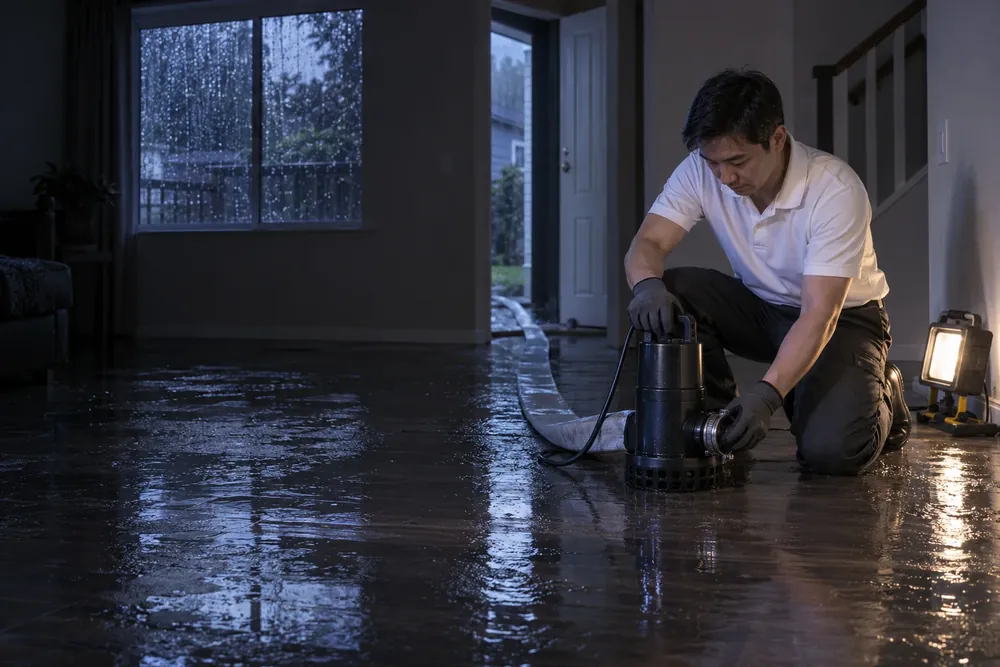
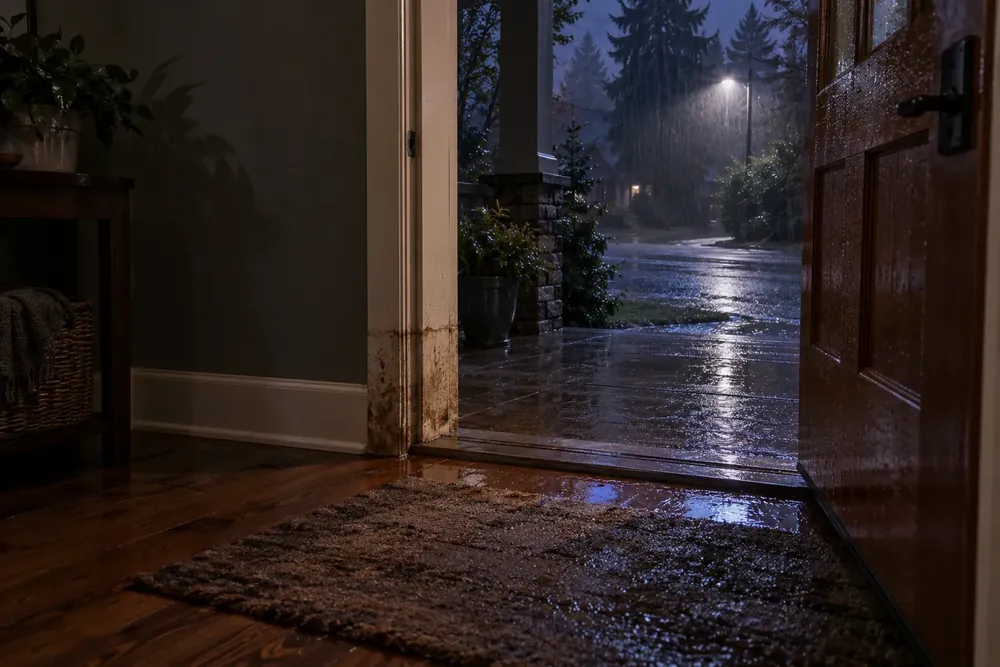
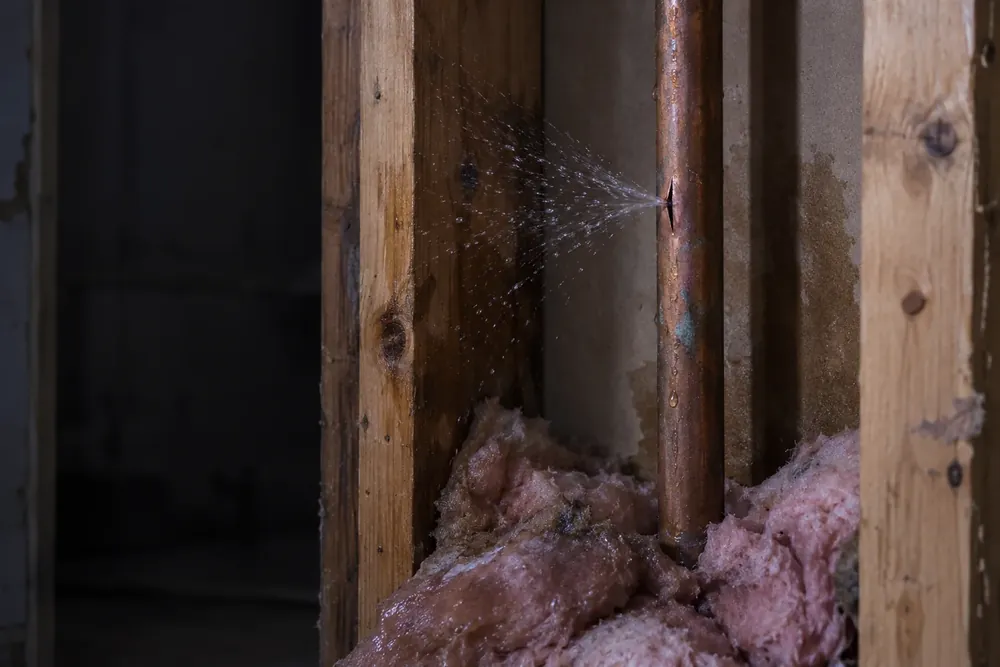
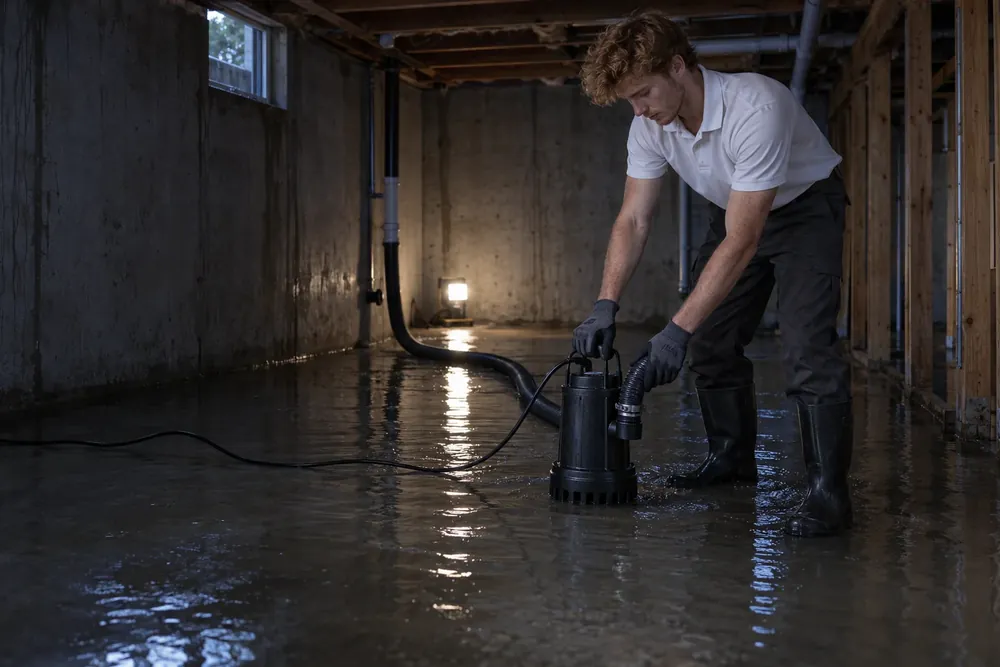
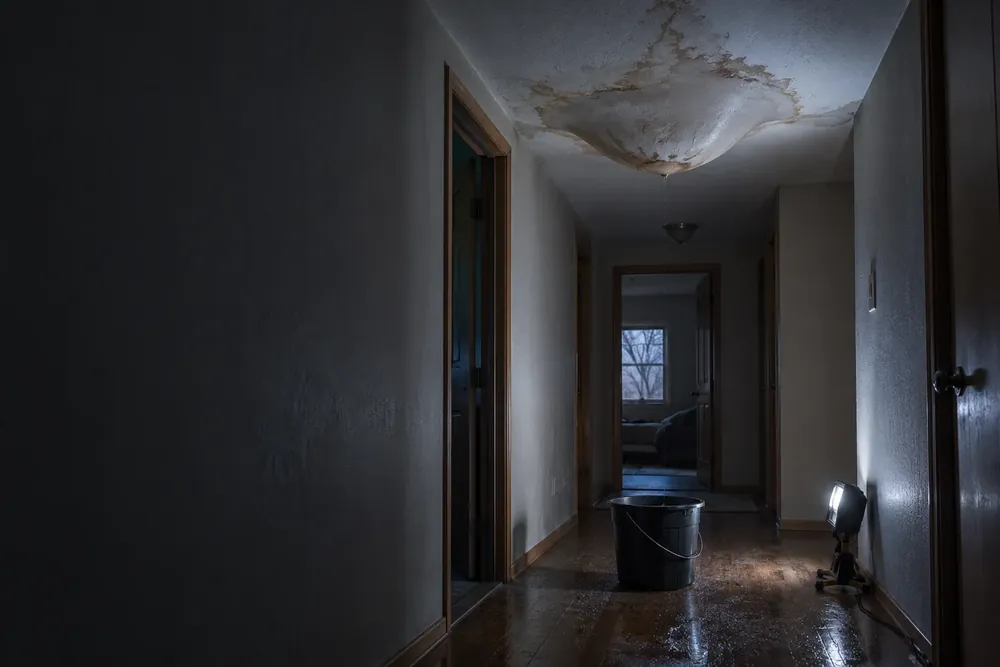
Loose appliance connections, failed pipes and rainwater crossing an entryway cause indoor water damage. Call and explain whether a fixture was running when the wet patch appeared. A leak upstairs may show up on the ceiling below, while water beneath carpet may spread beyond the obvious spot.
Water heater leak cleanup, Des Moines: tell the person answering if the tank area is wet and whether nearby flooring is soaked. Don't handle a wet electrical appliance. For ceiling water damage repair in Des Moines, describe drips, discoloration or sagging from outside the affected area.
The city's Volunteer Programs page explains that keeping storm drains clear helps prevent flooding. Report outdoor water reaching a doorway, crawl space opening or lower room, even when no plumbing leak is visible.
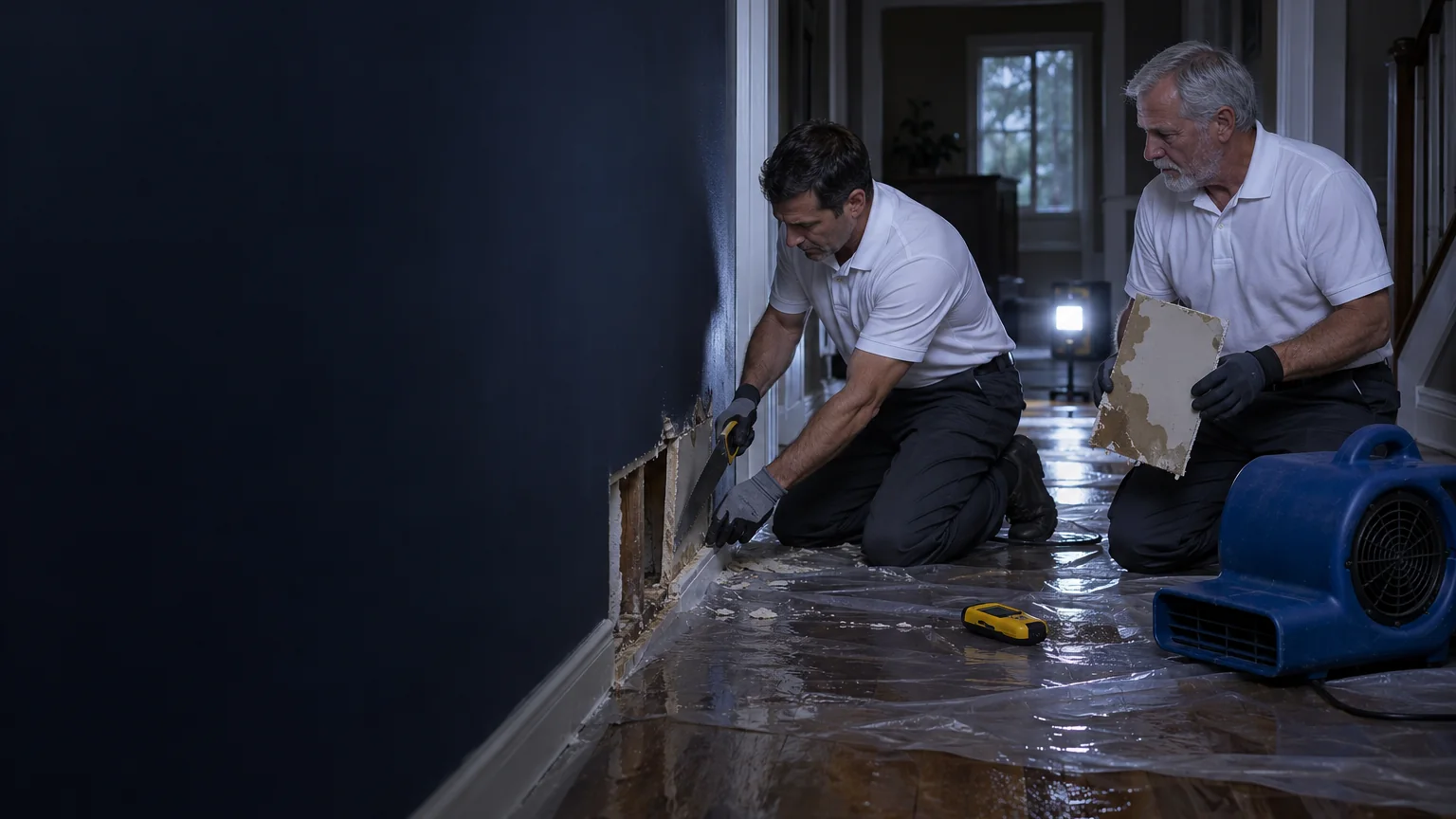
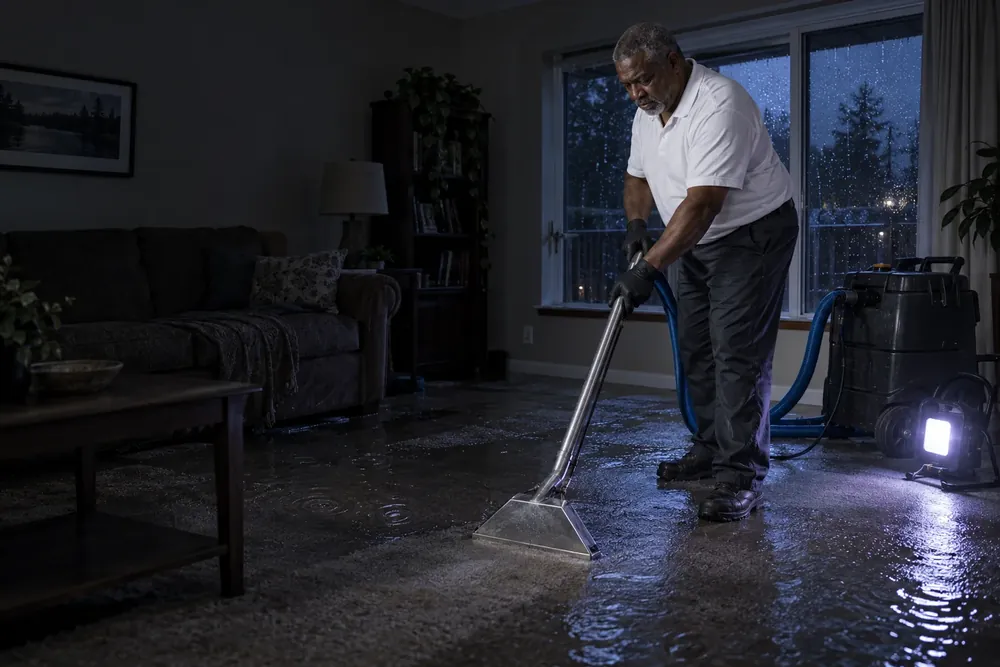
Wet carpet water removal, Des Moines: mention squishing underfoot or wet padding along the room edge. Your technician checks the carpet, padding and underlying floor rather than judging the damage from the carpet surface alone.
Talk Through the Wet Room
- Start the call with your Des Moines address and the affected room. Add North Hill, Zenith or Redondo as a location detail.
- Say what happened and when you noticed it. Your technician examines the entry point and follows moisture into neighboring materials.
- Walk through each room in your Des Moines home as you discuss water extraction. Review removal, material handling and the planned drying checks before work starts.
- Follow the drying plan through the final readings. Your technician checks the building materials and identifies the repairs needed after drying, including damaged padding or wall finishes.
Des Moines Water and Drainage Contacts
Water and sewer have separate contacts
Current district contacts include Highline Water District and King County Water District 54 for water issues. For sewer service, use the district contacts for Midway, Lakehaven and Southwest Suburban. Call about indoor water now. During the call, share the utility name from your bill if it's nearby; the city name alone doesn't identify the district responsible for a water or sewer issue.
Say whether the trouble is a broken fixture, water near the meter or wastewater coming through a drain. Your technician assesses the indoor damage while plumbing or public utility repairs address the source. Discuss source repairs alongside drying so a patched pipe doesn't leave wet building materials unattended.
Keep storm drain grates in place
Des Moines' Volunteer Programs instructions say to clean only the top of a storm drain grate and the surrounding area, without removing the grate or reaching inside. Leave flooded or unsafe drains alone and describe the outdoor water during your call.
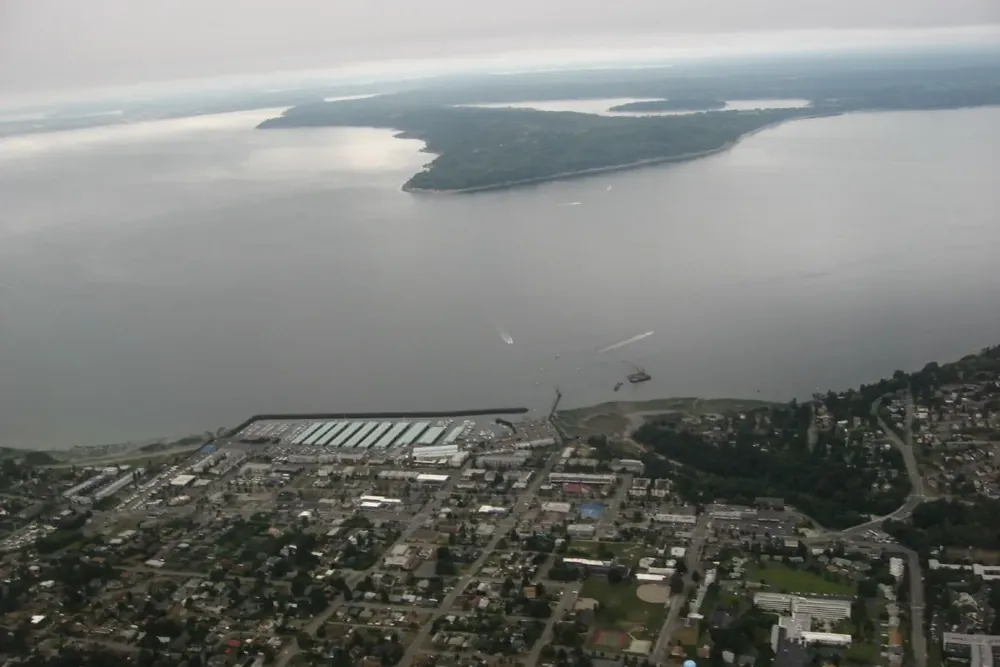
Des Moines' Volunteer Programs page also explains that storm drain runoff reaches creeks, wetlands and Puget Sound without treatment. Tell your technician if water crossed the street or yard before entering the house; that route matters when assessing what the water carried indoors.
Local sources
Neighborhoods We Serve in Des Moines
The city's neighborhood advisory committee materials identify North Hill, Marina District, Pacific Ridge, Woodmont and Redondo. Include your neighborhood during the call along with the house number and street. If water affected an apartment, give the unit and floor as well, so your technician has a clear description of the wet space.
Also serving near Des Moines:
Des Moines Cleanup Questions Callers Ask
Can I call about water in Des Moines after business hours?
Yes, calls are answered 24/7 for water removal requests in Des Moines. Start with the address and describe where water is collecting. During your call to a water removal service in Des Moines, mention any ceiling sagging, sewage or unsafe electrical area. Stay in a dry spot while you explain what's happening.
What determines the price of cleanup and repair?
The price follows the area affected, the water conditions, the materials involved and the equipment time needed to dry them. Before work starts, one of our local water damage partners reviews the proposed tasks and their cost with you. Have removal, drying, plumbing repairs and replacement finishes identified separately in the written scope.
How long will drying take in my home?
The drying schedule depends on moisture inside the materials, access to wet areas and whether the source has stopped. If water reached enclosed walls or the floor below a leak in your Des Moines home, ask about structural drying. Your technician uses repeat readings to check progress and explain when finishing work is ready to begin.
Should I call for extraction if a plumber stopped the leak?
Yes, extraction and drying may still be needed after a plumber has repaired the leak. Call and describe the rooms the water reached, including any wet space beneath the repaired pipe. Your technician tests for remaining moisture, explains what needs removal and identifies materials that need drying or replacement rather than a surface wipe.
Which records document the water damage for insurance?
Photos, dated moisture measurements and a written scope document the condition of the home and the work performed. In Des Moines, note whether water started at an indoor fixture or came through an exterior opening. Keep receipts and drying reports together. Your technician's records describe the damage and work; your insurer answers coverage questions.
Call now about the wet area in your Des Moines home and describe how the water got there.
Call now(253) 330-8040