Kent · Auburn · Renton · Federal Way · Puyallup
Emergency Water Removal in Kent, WA
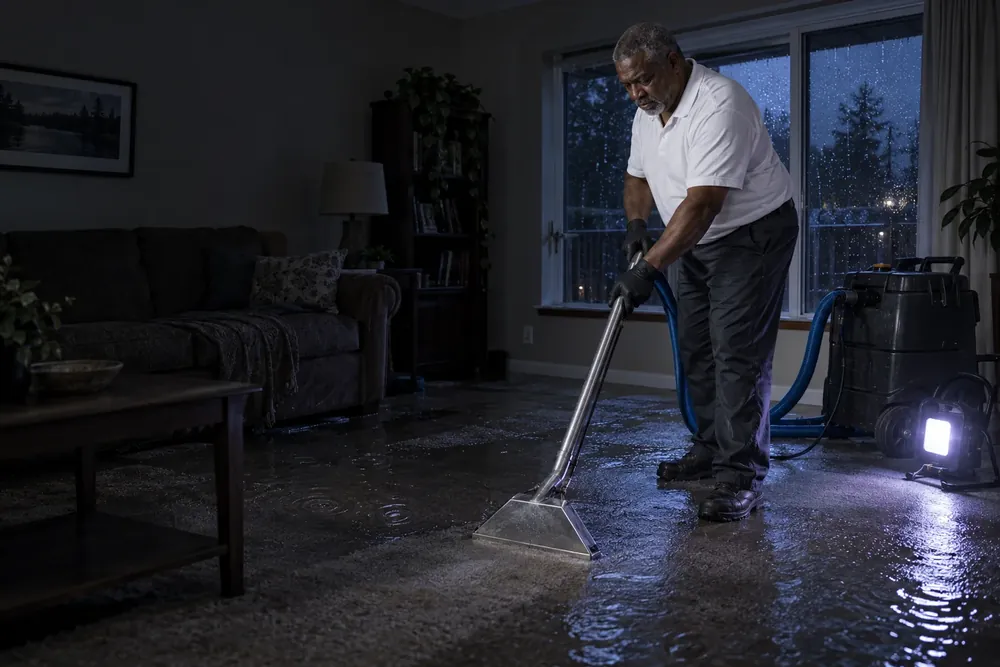
Call about emergency water removal in Kent and say where water is standing or still spreading. Your technician checks the affected rooms, removes pooled water and starts a drying plan for the wet floors, walls and other materials.
- Calls answered 24/7
- Water removal and drying
- Serving Kent and nearby
Standing water comes out and drying follows
- Check the standing water. Your technician looks at where water has collected, what it has reached and whether electrical or contamination hazards affect access.
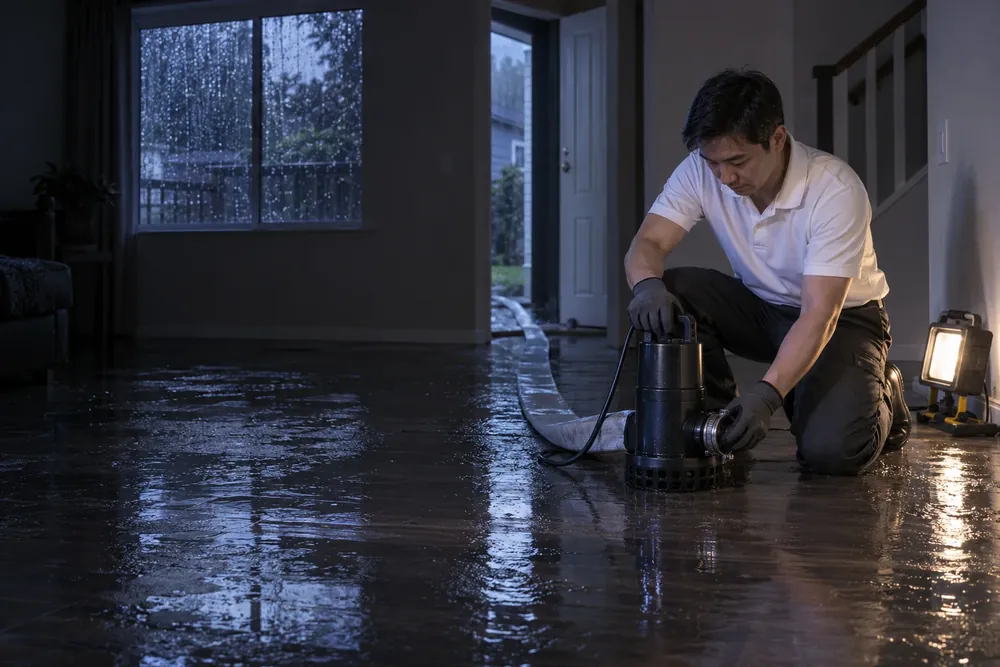
- Remove pooled water first. Pumps handle accumulated water where suitable; extractors remove water from accessible flooring and carpet before the remaining moisture is addressed.
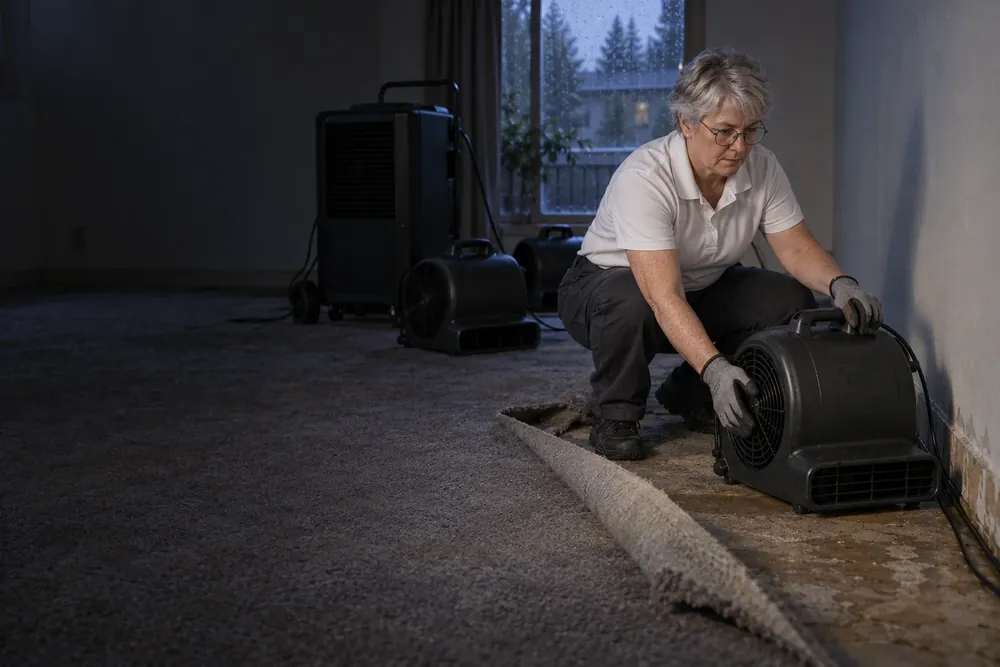
- Bring removal and drying equipment. Your technician brings pumps, extractors and air movers selected for the job, with dehumidification used to manage moisture released during drying.
- Start drying promptly. The first 24-48 hours matter because wet materials left too long face a greater mold risk; CDC cleanup guidance advises drying after a flood within that period when possible.
- Keep the area safe while help is coming. Call from a dry place, keep people away from wet electrical equipment and shut off the water only if the valve is safely reachable.
Call when water is standing or spreading
- Water is pooling across a room and reaching doorways or adjoining floors.
- A broken supply line keeps feeding water onto carpet, cabinets or flooring.
- Carpet is soaked through, with water visible around furniture or along walls.
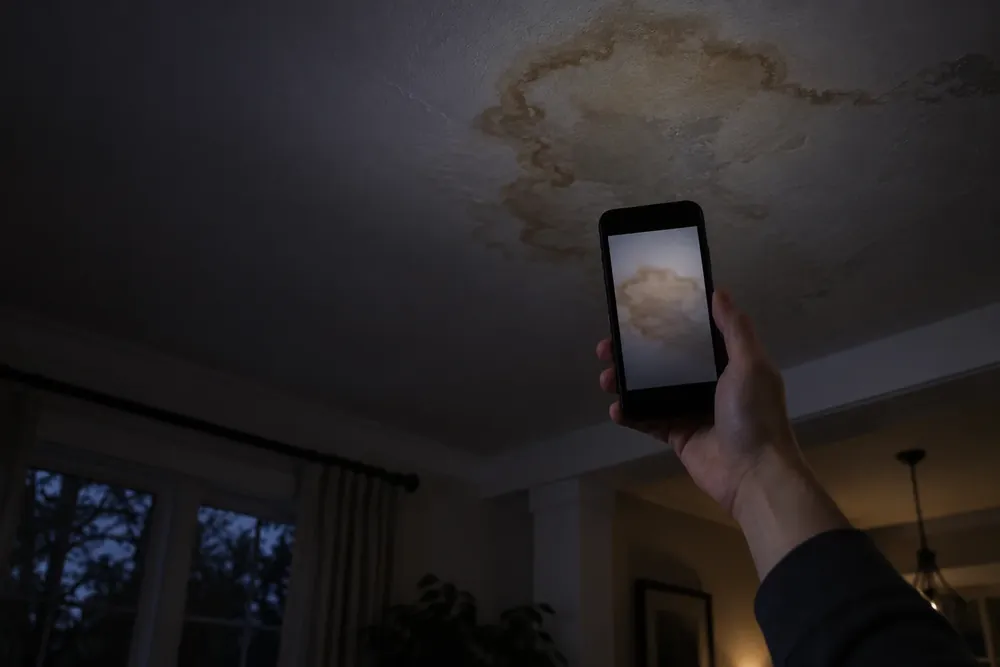
- Water is collecting below a ceiling leak, especially near lights or outlets.
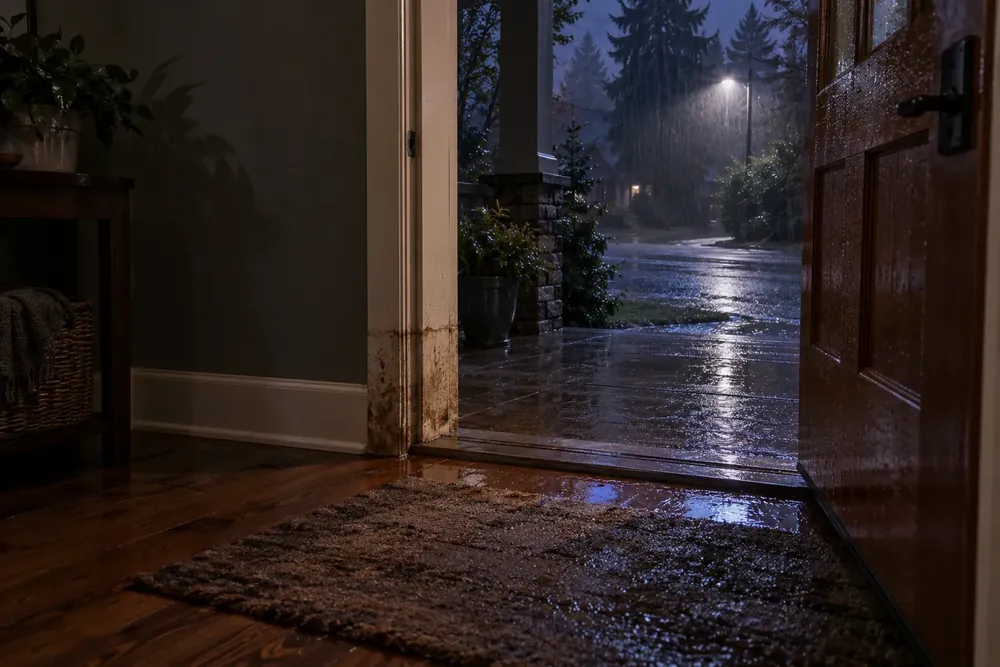
- A drain overflow or outside flooding has left standing water with an unknown level of contamination.
Start the call from a dry place
- Call from a safe, dry spot and explain your water removal emergency. Give the address, the room and whether more water is coming in.
- Your technician checks access, the water source and the affected surfaces. They explain what needs extraction, what needs drying and the price for the proposed work.
- Pumps and extractors remove accumulated water from the accessible areas. Your technician then places drying equipment to address moisture remaining in the materials.
- Follow-up moisture checks track the drying of floors, walls and other wet surfaces. Your technician reviews the readings and explains any materials that need replacement.
The affected rooms and materials set the cost
Emergency extraction costs depend on the amount of standing water, the rooms affected and how easily equipment reaches them. Wet carpet over a soaked pad needs different work from water on an accessible hard floor. Contaminated water, removal of damaged materials and the duration of drying also affect the scope.
One of our local restoration partners explains the proposed tasks and their price with you before the work begins. Ask which equipment, moisture checks and material removal are included. Read more about the factors in the water damage restoration cost guide.
Call to start removal and drying
- An answered call. Calls answered 24/7 let you describe standing water when you discover it, including overnight or outside regular business hours.
- A local technician. The call puts the water problem in the hands of a local technician who works from the room details and address you give.
- Work explained first. The proposed scope and price are explained before extraction or drying begins, with the affected materials identified.
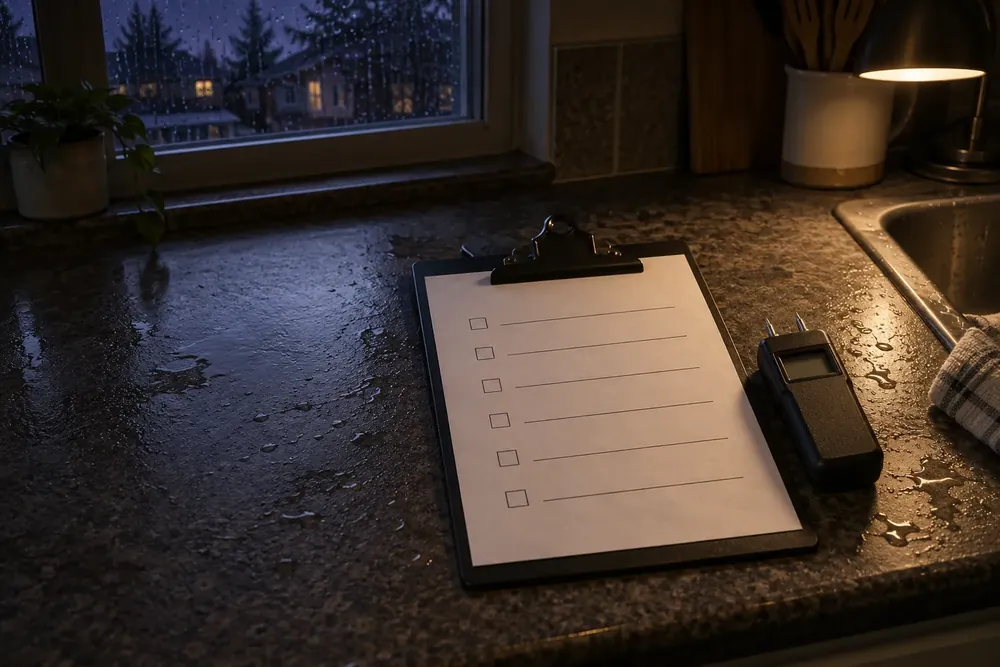
- A written record. Photos and moisture readings document the damage and drying progress, alongside a written scope you keep for insurance documentation.
Keep photos, readings and the written scope
Photos, moisture readings and a written scope document the water damage and proposed work for your insurance records. Call now; share pictures you already have during the conversation rather than entering a wet room to take more.
Your technician records the affected areas and moisture measurements. Keep those records with the written description of extraction, drying and any material removal. Ask for copies that identify the rooms involved and the work performed. Documentation records the condition and scope; coverage depends on your policy.
Stay dry and keep clear of electrical hazards
Stay out of standing water near electrical equipment and make the call from a dry place. Shut off a leaking water supply only if the valve is reachable without entering water or touching wet electrical equipment.
The CDC's flooded-home safety guidance says to switch off main power only from a dry location. If reaching the switch means crossing standing water, leave that task to an electrician. Don't operate electrical tools while standing in water.
Keep children and pets away from the affected room. Avoid contact with sewage or outside floodwater. If you smell gas, leave immediately and call the gas utility or emergency services from outside. Tell your technician about the hazards during the water removal call.
Sources
Related water removal services
Areas we cover around Kent
Our local water damage professionals handle emergency extraction in Kent and surrounding towns, including Sumner; call with the address and describe the water.
Questions about emergency removal and drying
Is water damage an emergency?
Active leaks, spreading water and soaked materials need prompt attention, especially when water reaches electrical equipment or includes sewage. For emergency water damage restoration, call from a safe place and describe what's happening now. Stay away from standing water around outlets. Share the source, affected room and any hazards during the conversation.
What is emergency water extraction?
Emergency water extraction removes accumulated water with pumps or extractors before drying addresses moisture still held in materials. If you're looking for emergency water removal near me, call about the room where water is standing. Your technician checks the source and surfaces, then explains the removal and drying work for that situation.
How much does emergency water removal cost?
The price depends on the water volume, affected materials, contamination and access for extraction equipment. Call and describe the flooded areas rather than trying to measure water yourself. Your technician inspects the damage and explains the scope and price before starting. Drying equipment and damaged material removal also influence the total work.
What does water cleanup near me include?
Cleanup covers extraction, handling affected materials and drying the wet areas according to the water source. Call and say whether the water came from a pipe, drain or outside. A puddle from a clean supply leak needs different handling from sewage or floodwater. Your technician explains the tasks needed for the affected room.
Who handles emergency water damage restoration near me?
A local water damage professional handles emergency extraction and drying for Kent-area homes through this call line. Describe where water is collecting, what it has soaked and whether a leak is still active. Your technician checks the rooms and moisture levels, then sets out the removal and drying plan with its price.
Call about standing water in your home and describe the affected room, the source and whether water is still coming in.
Call now(253) 330-8040