
Kent · Auburn · Renton · Federal Way · Puyallup
Flood & Storm Cleanup in Kent, WA
Our local water damage professionals remove storm water, clean affected surfaces and set up drying for Kent homes after safe access is established. Call from a safe location and describe where water entered, which rooms are affected and whether it is still rising.
- Calls answered 24/7
- Water removal and drying
- Serving Kent and nearby
Remove storm water and address soaked materials
- Rainwater removal. Flood cleanup services remove pooled water and assess soaked rooms; the National Weather Service describes the Seattle area's rainy season as October through March, with rain continuing into early spring.
- River and creek flooding. Your technician checks water entry and contamination after overflow; King County identifies Kent as an area with Lower Green-Duwamish River flood risk.
- Wind-driven rain and groundwater. The assessment traces wet areas near openings or below ground so drying addresses affected layers while the source gets separate attention.
- Contaminated materials. Floodwater may carry sewage, chemicals and debris; cleaning and removal decisions account for contamination in carpet, padding, drywall and insulation.
- Drying and records. A flood cleanup service pairs moisture checks with a written scope and photos; flood insurance is separate from standard homeowners insurance, and documentation doesn't establish coverage.
Call about water entering during a storm
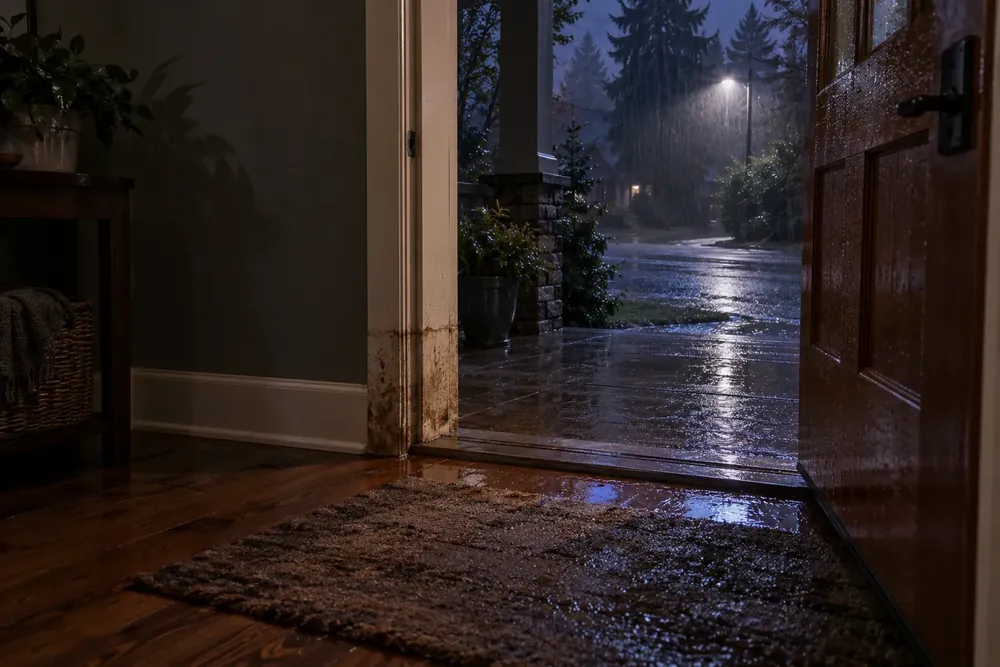
- Call when runoff crosses an entry threshold and spreads onto indoor flooring.
- Water gathers in a basement or crawl space during heavy rain.
- Mud, silt or a dirty waterline remains after water recedes.
- Rain blows through a damaged opening and soaks walls or insulation.
- Carpet, padding or cabinets stay wet after the outside water level drops.
How storm cleanup moves forward
- Call from safety. Give the address, describe the entry point and tell the person answering whether water is rising or receding.
- Your technician assesses the affected rooms once access is safe. The assessment separates water removal, contaminated-material handling and drying needs.
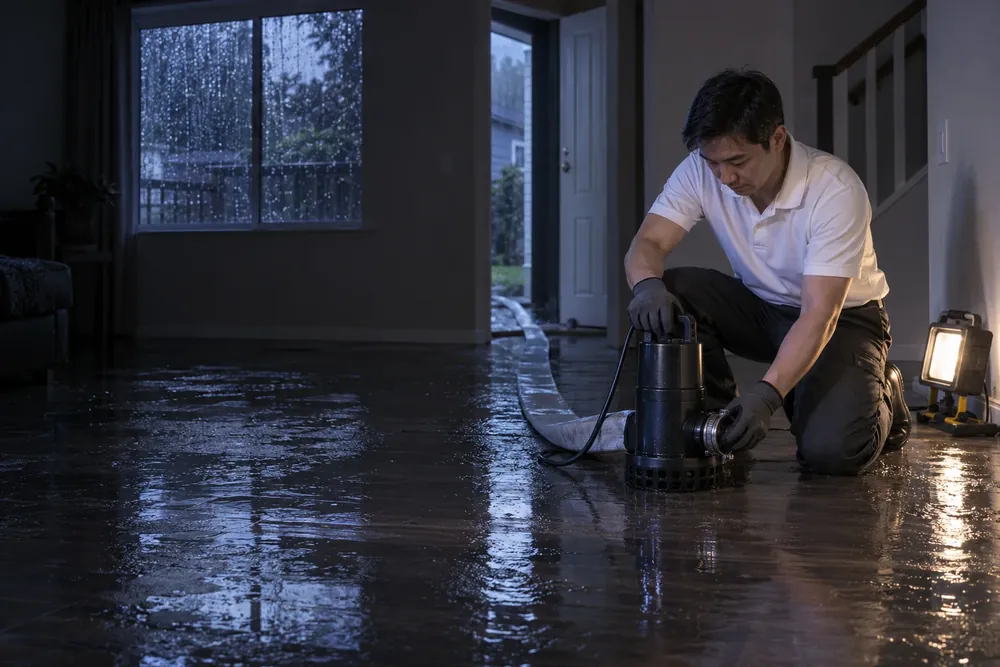
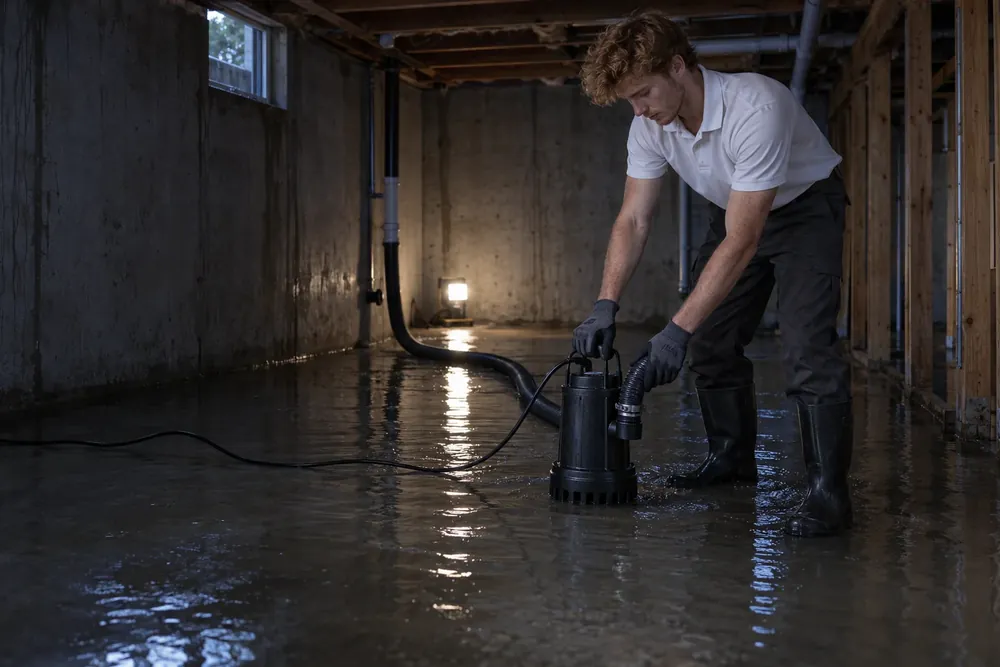
- Standing water and debris are removed using methods suited to the site. Affected surfaces are cleaned, with unsalvageable materials identified in the scope.
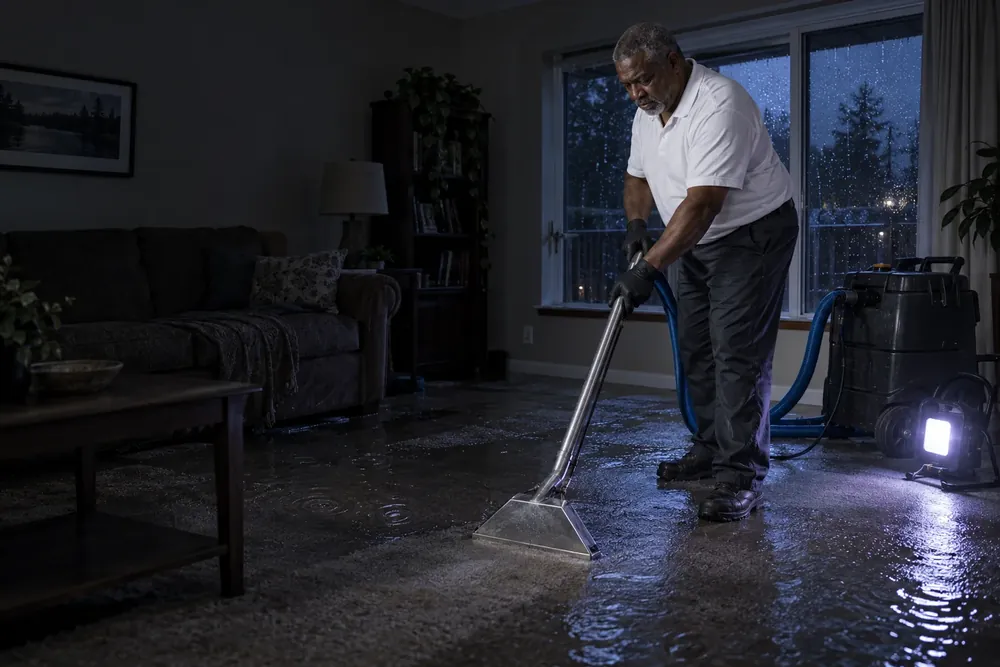
- Air movement and dehumidification dry the remaining structure. Recorded moisture checks determine progress, and the final assessment identifies repair needs before rooms are closed up.
What shapes storm cleanup costs in Kent
The affected area, water contamination and amount of soaked material shape storm cleanup costs in Kent. Mud left on hard flooring calls for different work than floodwater trapped beneath carpet or inside walls. Access, disposal, drying equipment and follow-up checks also affect the scope.
Before cleanup starts, your local restoration partner reviews the scope with you and explains the price for each part. Source repairs and rebuilding need their own clear descriptions. Read about water damage cost factors to understand how the work is priced.
Reasons to call about storm water
- A person answers 24/7. Report water coming indoors during the storm or damage noticed after it passes.
- A local visit. Your technician checks the Kent home's entry points, wet rooms and affected materials.
- Clear scope and price. Removal, cleaning and drying are explained before work begins, with repairs identified separately.
- A written record. Dated photos, moisture readings and the scope provide documentation for insurance without promising coverage.
Keep a record of the water damage
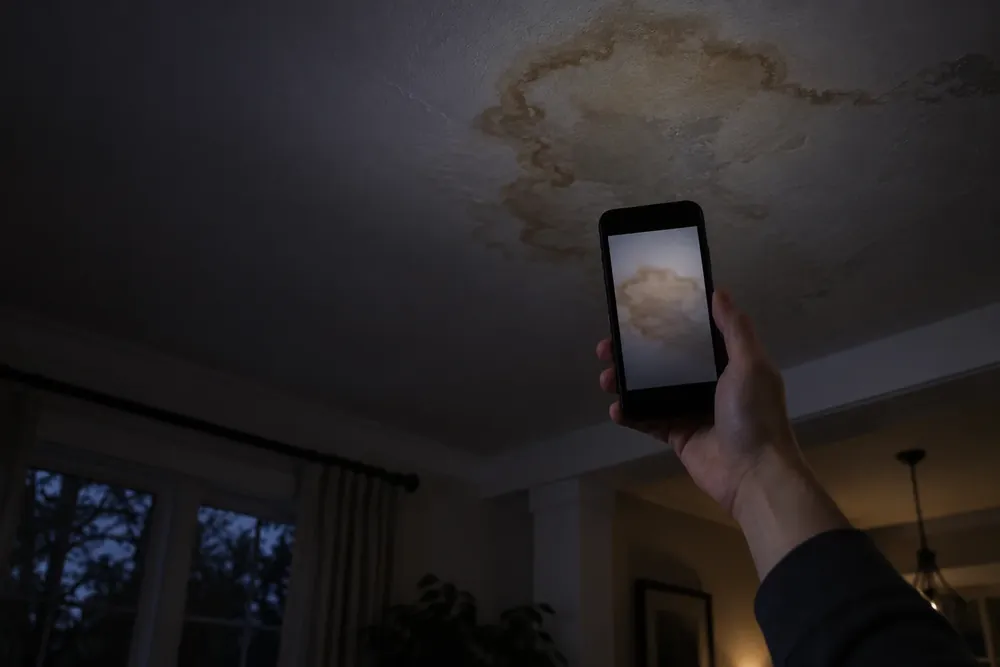
Photos, moisture readings and a written scope document the damage for insurance. Call about cleanup now; share any pictures you already have during the conversation. Take additional photos only from a safe place.
Keep dated images of waterlines, affected rooms and damaged belongings alongside the technician's readings. Save the scope and invoices so removal, cleaning, drying and repairs are recorded separately. The insurance documentation checklist explains which records to keep together. Documentation records the work; your insurer decides coverage under your policy.
Stay outside flooded or damaged rooms
Stay out of floodwater and call from a safe location. The CDC's floodwater guidance warns about sewage, chemicals and hidden debris; don't walk or drive through flooded roads.
Shut off water and power only when the controls are safely accessible. Reach the electrical panel only from dry ground. Follow the CDC's reentry precautions: an electrician should handle unsafe power shutoffs and check the system before power returns.
Keep children and pets away from affected areas. Leave a building that smells of gas or makes shifting noises, and contact emergency authorities. The CDC's cleanup precautions also warn against running fuel-powered equipment indoors.
Sources
Related water removal services
Areas we cover around Kent
For Kent, Sumner, Auburn and Renton homes, our local water damage professionals assess storm water damage and carry the cleanup through removal and drying checks.
Questions about cleanup after flooding
Can a flooded house be saved?
Many homes recover after flooding, but the outcome depends on structural damage, contamination and how deeply materials are soaked. Call from safety and describe the water level you observed. Your technician assesses removal and drying needs; unsafe structural areas need qualified inspection. Some materials require replacement even when the rest of the home dries successfully.
What does flood restoration near me involve?
Restoration involves water removal, cleaning, damaged-material decisions and measured drying before repairs. The source matters: rain entering an opening needs a different assessment from river overflow carrying debris. Your technician records affected rooms and moisture readings, then explains the work. Call while describing what you see; don't enter water to trace its source.
Who should I call for flood damage repair near me?
Call about the flooded rooms so water removal and drying needs are assessed along with repair needs. A wet wall shouldn't be covered with new drywall while underlying layers remain damp. Your technician identifies damaged materials and records moisture readings. The written scope should distinguish cleanup from rebuilding and repairs to the entry point.
How do I arrange flood cleanup near me when water is still rising?
Call from a safe location and say that water is still rising at your Kent home. Follow evacuation instructions and keep away from flooded roads. Cleanup begins with safe access, water conditions and electrical hazards assessed. Describe the room and visible waterline during the call; taking measurements or photographs isn't a condition for calling.
How long does flood damage cleanup take?
The time depends on contamination, the amount of soaked material and moisture remaining inside the structure. Removing standing water is one stage; cleaning, disposal and drying take additional work. Your technician uses readings to track progress rather than promising a fixed finish date. Repairs follow once the affected materials meet the drying requirements.
Call and describe where storm water entered your home, how far it spread and what rooms are wet.
Call now(253) 330-8040